Measuring the impact of the project and measures to continue the project.
June 6, 2022
Flux 2
June 6, 2022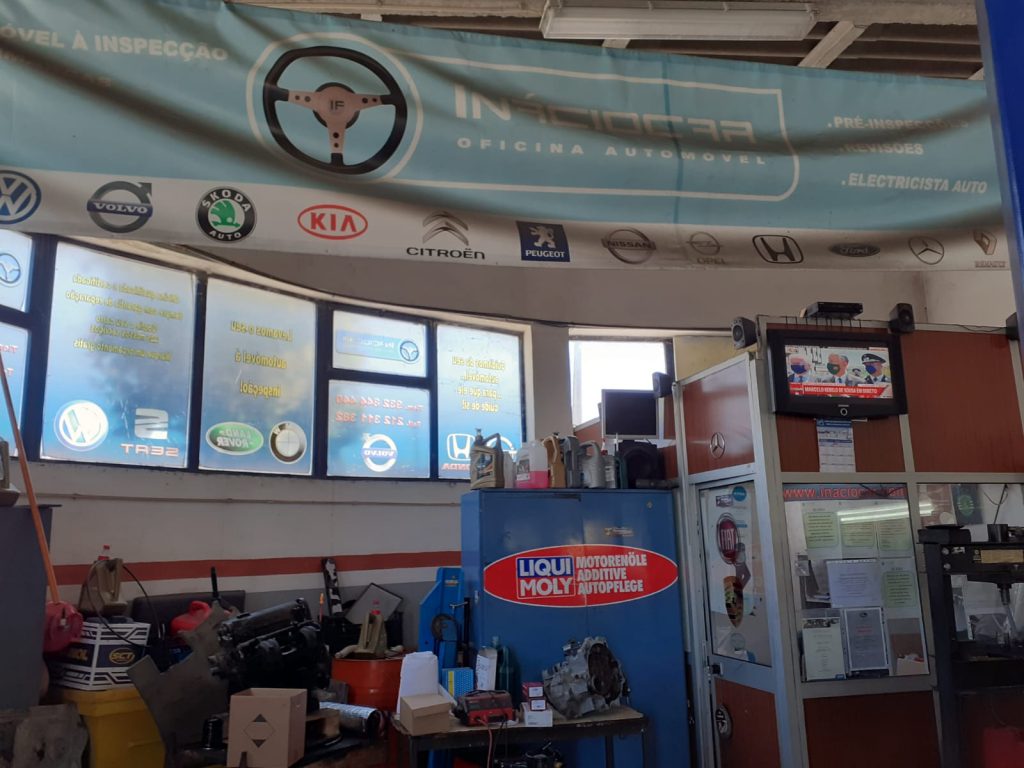
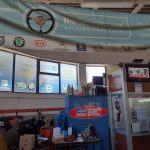
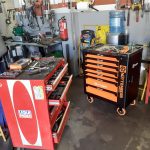
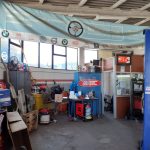
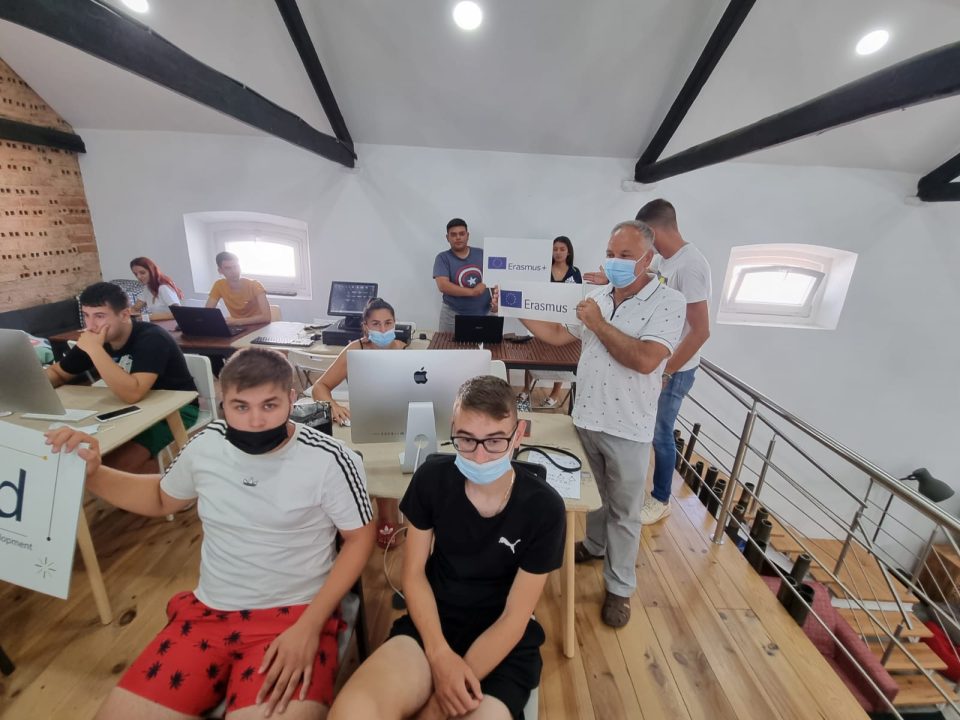
Between 14 June-2 July 2021 ten students from “auto mechanic” qualification took part in professional training in Montijo-Portugal.
During the training participants make following activities:
– make a comparison of combustion engines .The participant will track how compression ignition engines and spark ignition engines function.
– diagnose possible causes associated with malfunctions or downtime symptoms of the car’s parts.
– use the technical documentation at the detection and location of faults in the car.
– diagnose and repair these auto components: radial clearance kinematic chain, the main transmission and differential in the game at the wheel, the wheel and pivots’ angles, free race brake pedal.
– diagnose and repair these components of the car: deceleration, game of the drums and sabots, the thickness of the friction linings, brake disc thickness, the diameter of the friction drum, game-piston pump rod central, the brake fluid level and pressure.
– use a logic diagram of the diagnostic approach.
– diagnose the car on board using CAN network and OBD system. CAN (Controller Area Network) is a communication protocol of thoroughfare type (Bus) widely used in the cars’ industry. Via CAN protocol the ,the car’s computers ( ECM , TCU , ESP , etc.) exchange information between them to facilitate and optimize the control functions of the various systems (injection, clutch, braking system, etc.).
use the following vehicle testing tools: flow meter, roller stand, opacimeter, Wheatstone. The participant will check the reference voltage electronic control module, will show how to check the voltage of the ignition coil ,ignition module applied voltage, input voltage signal sent by the sensor timing and angles’ sensors